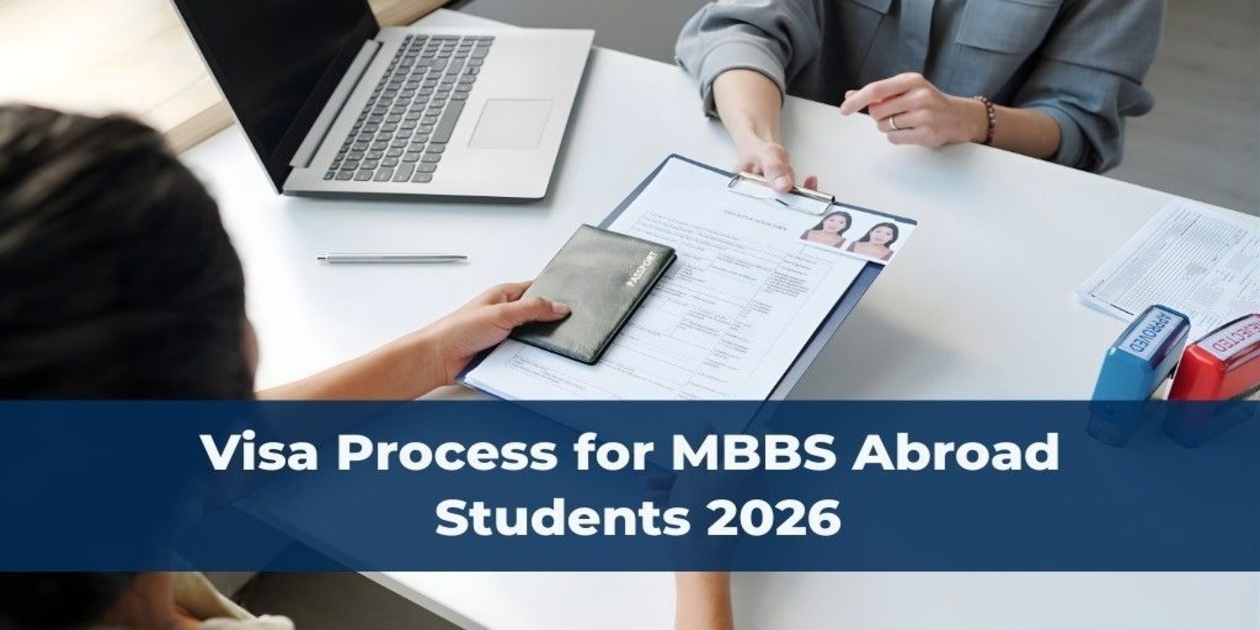
Thinking about going abroad for your MBBS? Sorting out student visa is one of the first big hurdles. Every country has its own traits, but when it comes to medical education, the elementary steps are however same everywhere. Here’s what you should know before you start packing.
- Student Visa Application
First, apply for a long-term student visa at the embassy or consulate of your destination. This visa covers all the stay for the whole medical course, and you might need to renew it during your studies.
- University Admission Letter
Don’t even bother with the visa until you’ve got your official admission letter or invitation from the university. No admission, no visa—end of story.
- Passport Validity
Check your passport. You’ll need it to be valid for at least 18 to 24 months, with a few blank pages for those visa stamps. Some countries want it to last through your entire first year, so double-check before you apply.
- Visa Application Form & Documents
Fill the visa form and collect all the documents needed:
- Passport-sized photos (make sure they match embassy and other documents requirements)
- Academic certificates (10+2-mark sheets, NEET results)
- Birth certificate (in some cases)
- Medical Fitness & Health Tests
Most embassies want a medical fitness certificate. Get a basic health check-up, and depending on where you’re going, they might also ask for an HIV test or a chest X-ray for TB.
- Police Authorization Certificate
You’ll need a Police Clearance/Authorization Certificate to prove you’ve got a clean record.
- Proof of Financial Capability
Show you can pay for everything—
tuition, hostel, living costs. Means
recent bank statements, a sponsor letter, or
receipts for any fees you’ve already paid.
- Visa Fee Payment
Visa fees may vary by country to country, but you have to pay honestly. These fees are
not refundable, no matter what happens.
- Embassy Interview (If needed) sometimes needed
Some countries need an interview, either in person or online. They’ll ask why you chose this particular country or what you know about your university, and how you’ll support yourself. How you will manage there. Not everyone does this, but it’s smart to be prepared.
- Visa Processing Time
Visa approval usually takes from a week to six weeks at-most. It depends on the country, how busy the delegations are, and whether your documents are in order and everything is in place or not.
- Visa Approval or Rejection
If you’re visa is approved, then you’ll get a visa stamp or sticker in your passport. If not, they’ll typically tell you why there is nothing, and you can fix the issues and try again.
- Residence License or Visa Extension
After you arrive, you might need a house or residence permit or have to extend your visa within a certain period of time. Most universities help international students to manage all this stuff.
- Medical Insurance
You’ll need medical insurance that covers you for your whole course or at least the academic year. Pretty much every country requires this.
- Visa Renewal
If your MBBS lasts several years, expect to renew your visa or residence permit each year, depending on how you’re progressing.
- Following Visa Rules
Follow the rules, like attend your classes well, don’t work illegally, and try to make sure you’re enrolled full-time. Break the rules and you risk losing your visa or even getting sent home.
Honestly, the student visa process looks rough at first, but with the right information and needed paperwork, you’ll complete it. Keep your documents organized, follow the embassy’s instructions, and don’t hesitate to ask your university for help.